
Ventilation Support at Home
Ventilation Support at Home
For people who rely on a ventilator to breathe, the quality of care around that machine matters enormously. CareLink Direct provides nurse-supervised ventilation support at home across Sussex and Surrey, so that people with complex breathing needs can remain safely at home, cared for by a team that knows what it is doing.
Ventilation Support at Home
Ventilation support involves helping someone to breathe using a mechanical ventilator. A ventilator is a machine that assists or takes over the work of breathing, delivering air or a mix of air and oxygen to the lungs through a mask or breathing tube.
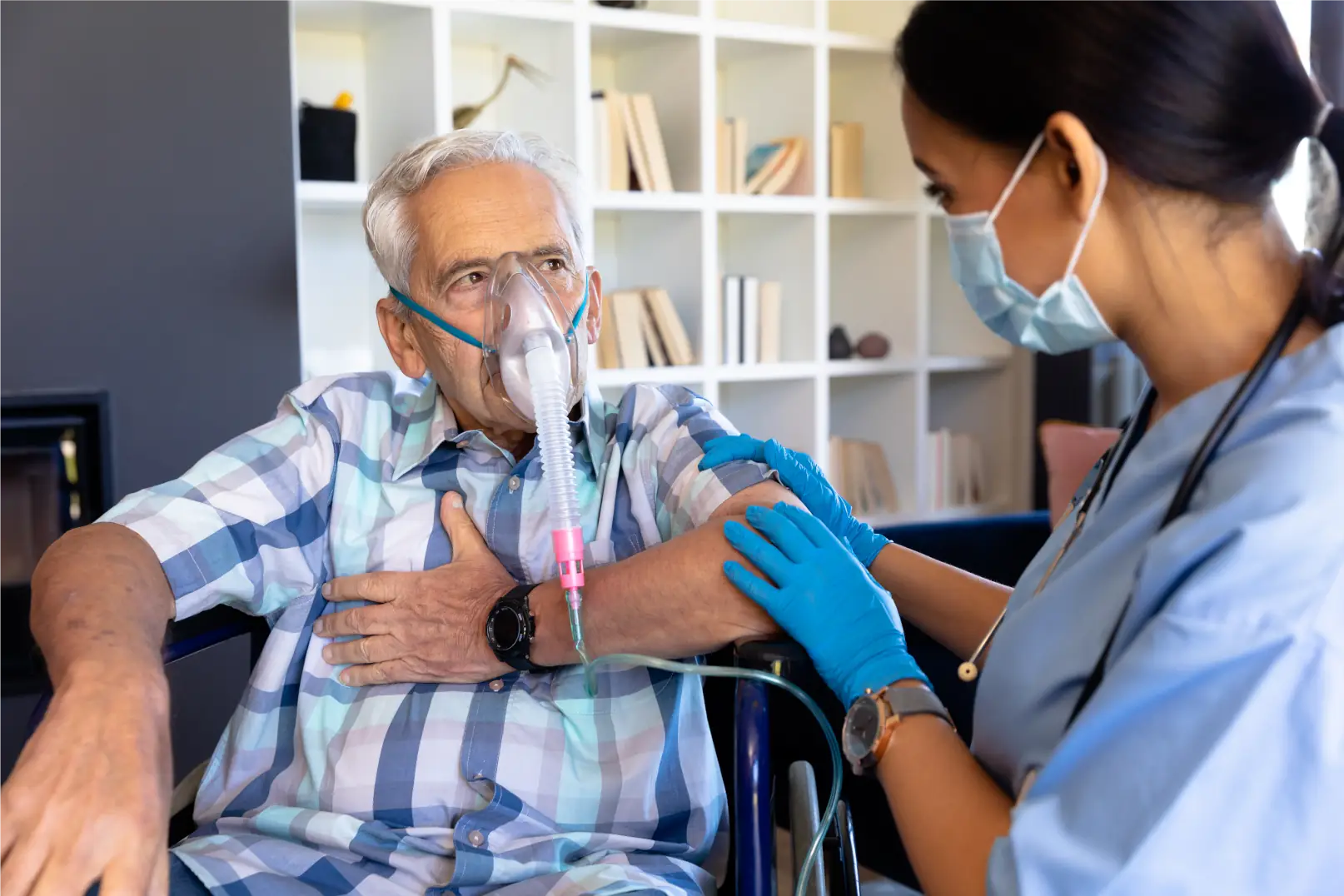
Ventilation at home may be used for people with conditions that affect their ability to breathe independently, including motor neurone disease, muscular dystrophy, spinal cord injury and some cases of acquired brain injury or chronic respiratory disease.
Care around ventilation includes ensuring the machine settings are correct and in line with the clinical prescription, maintaining airway patency, monitoring oxygen levels, preventing infection, and providing regular respiratory and oral hygiene to support breathing and overall comfort.
When is ventilation support at home the right choice?
Ventilation support at home is appropriate when someone requires breathing assistance that can be safely managed in a community setting, with the right clinical team, training and equipment in place.
You may be considering ventilation support at home if your loved one:
- Has a condition that affects their ability to breathe independently, such as motor neurone disease or muscular dystrophy
- Is on a home ventilator and requires trained carers to monitor and support them
- Has been discharged from hospital with a ventilation regime in place
- Requires airway monitoring and prompt clinical response if breathing changes
- Also needs other forms of clinical care, such as tracheostomy care or suctioning
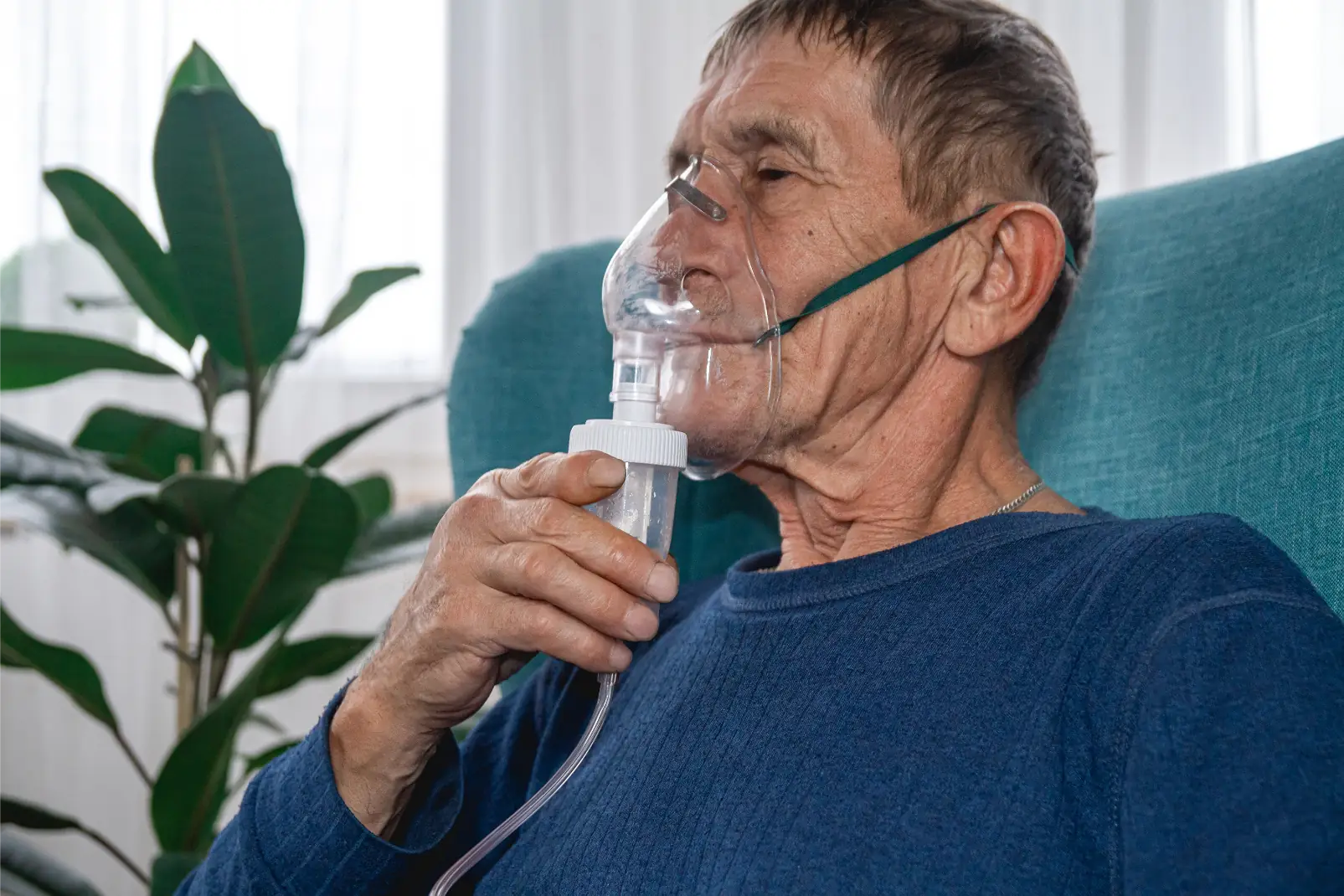
How our ventilation support helps families
- Trained carers supporting ventilated individuals under direct nurse supervision
- Monitoring that ventilator settings remain consistent with the clinical prescription
- Maintaining airway patency and supporting respiratory hygiene
- Regular monitoring of oxygen levels and breathing comfort
- Clear escalation procedures if breathing changes or the machine raises an alarm
- Coordination with respiratory teams, hospital consultants and community nurses
- Care plans that are specific to the individual and reviewed as needs change
- Families supported and kept informed throughout
What ventilation support involves
Our care team, trained specifically for ventilation support and supervised by our nurses, provides ongoing care that includes:
- Supporting safe use of the ventilator in line with the prescribed settings
- Monitoring oxygen saturation and breathing comfort
- Providing oral and respiratory hygiene to reduce the risk of chest infection
- Maintaining circuit cleanliness and equipment condition
- Suctioning to clear secretions where needed (see our suctioning page for more detail)
- Responding promptly to alarms and escalating to the clinical team when appropriate
- Documenting observations and care provided at every visit
If your loved one requires ventilation support at home, please contact us. Our clinical team will speak with you about the current arrangements, what a safe package would involve, and how we can help.
Arranging ventilation support at home
Arranging ventilation support at home requires careful planning and proper clinical preparation. We do not take this lightly. Before any carer provides ventilation support, they are trained in the specific equipment and procedures involved, supervised alongside an experienced colleague, and signed off on competency.
Registered for TDDI
“Registered to provide Treatment of Disease, Disorder or Injury (TDDI)”, meaning we are approved to deliver complex clinical care at home for people living with serious illness, disability, or injury.